Roofing service
Roof Inspections & Maintenance
Routine roof checks help catch small issues before they become leaks. We inspect common weak points such as tiles, slates, valleys, ridges, flashing, gutters, and roof ventilation.
What we can help with
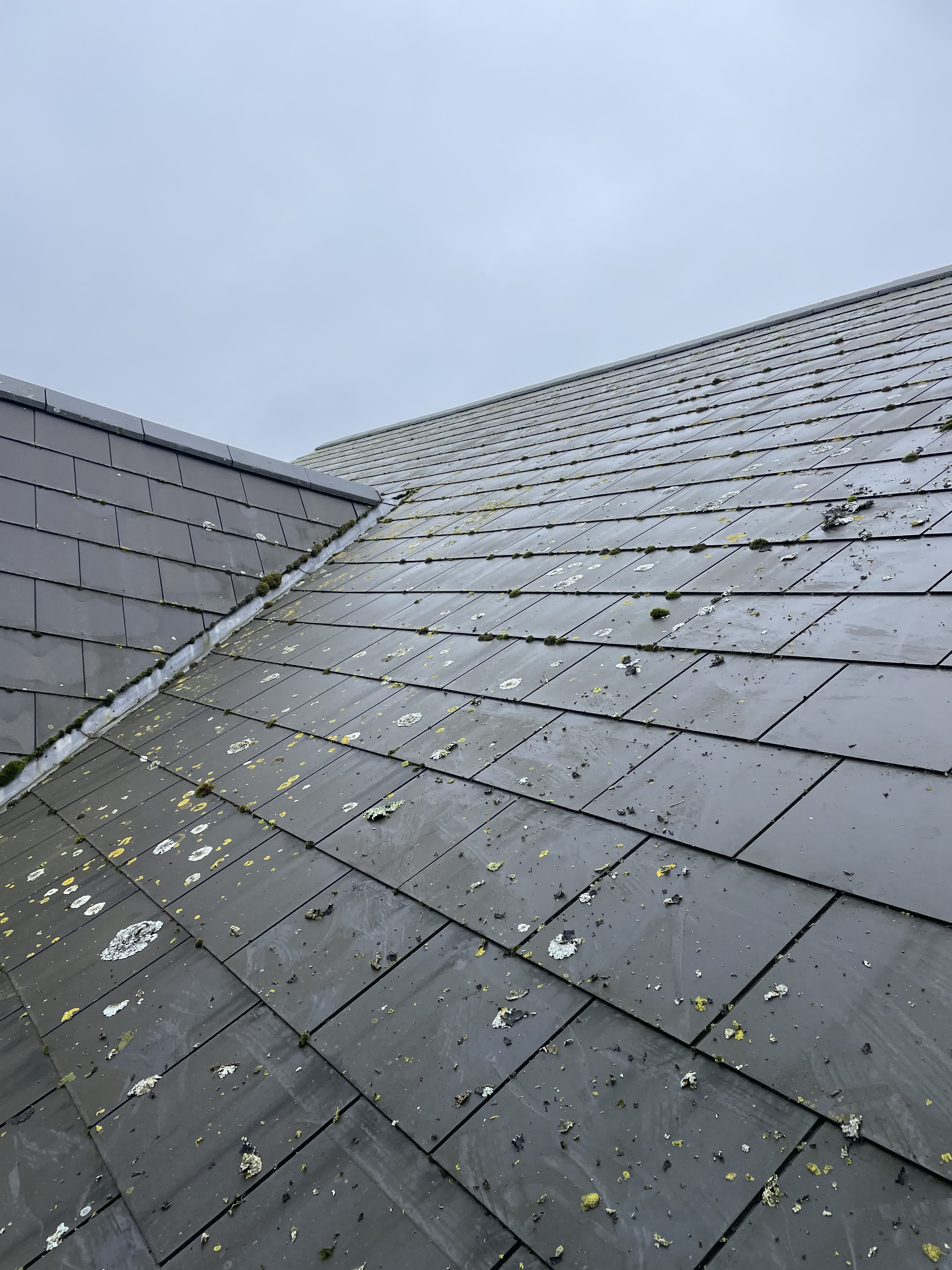
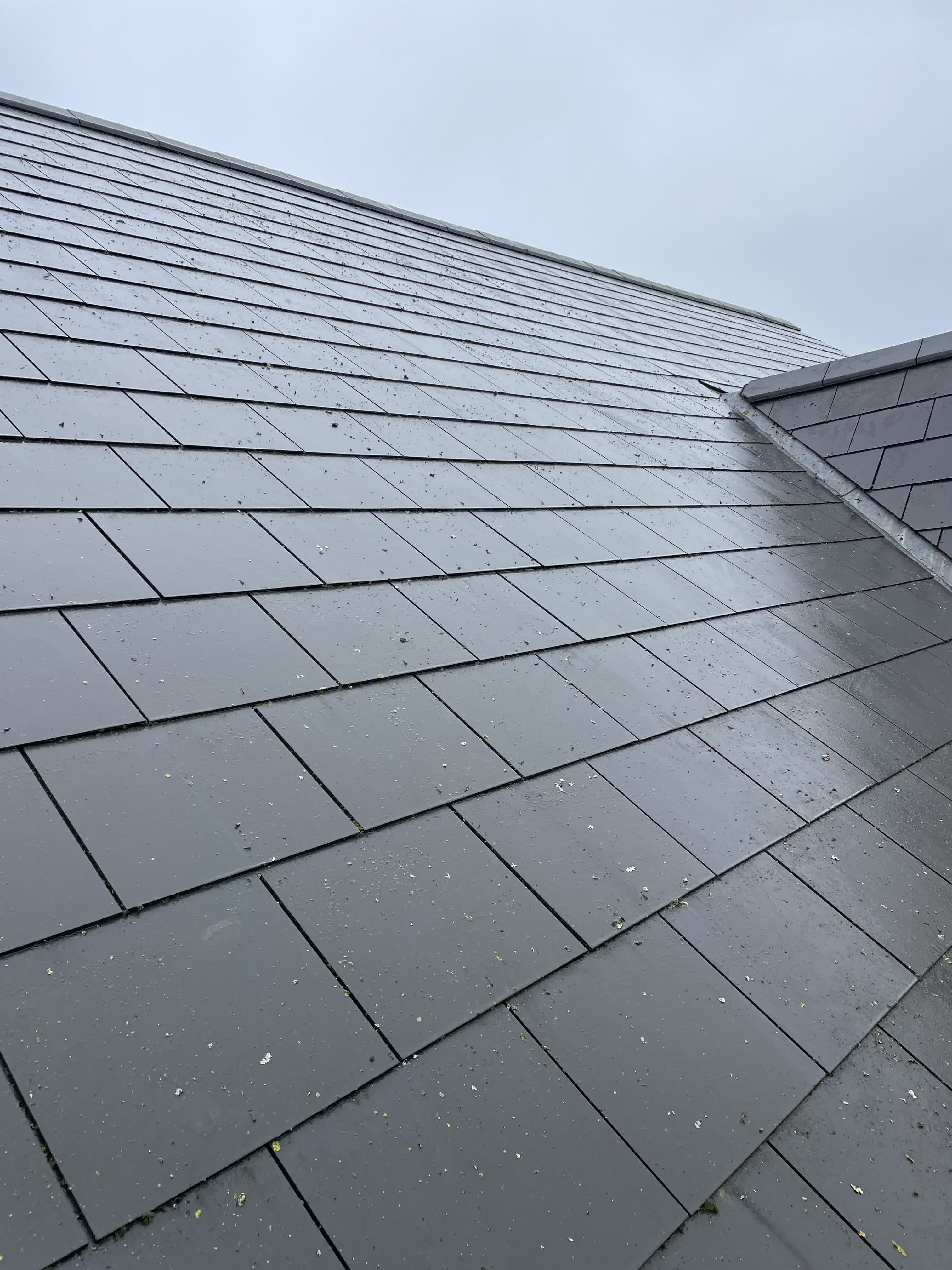
The before-and-after images are real Perfect Roofing roof maintenance photos, showing why moss, lichen, gutters, valleys, and roof edges should be checked before small issues become leaks.
- Pre-winter roof checks
- Storm damage inspections
- Gutter and roofline checks
- Maintenance recommendations with photos where useful
When homeowners usually call us
- A roof that looks fine from the ground but has ageing flashings or loose details
- Moss, blocked gutters, or small defects before winter weather
- New damp marks after wind-driven rain
- Buyer or landlord concerns before spending money on bigger repairs
What we check before recommending a fix
We inspect the roof covering, ridges, verges, valleys, gutters, flashing, chimney areas, roof windows, and obvious ventilation concerns.
We prioritise findings, separating urgent leak risks from maintenance items that can be planned.
We keep recommendations practical so inspection pages do not become a disguised sales pitch for a new roof.
Best-practice approach
Good inspections work comes down to the details
The cheapest-looking fix is often the one that fails first. These are the details we look at before recommending a repair, replacement, or installation.
Inspect the weak points first
Roofs usually fail at details: ridges, verges, valleys, flashings, chimneys, gutters, roof windows, outlets, and previous repairs. A useful inspection starts there.
Prioritise defects by risk
Not every defect needs immediate work. We separate active leak risks, winter-readiness issues, maintenance items, and longer-term replacement concerns.
Use photos to make findings clear
Homeowners should not have to guess what a roofer saw. Photos help explain loose materials, blocked gutters, failed flashing, moss build-up, or worn roofline details.
Recommend maintenance before replacement where appropriate
A good inspection should not automatically become a new-roof quote. Sometimes cleaning gutters, replacing loose materials, or repairing flashing is the sensible move.
Why Perfect Roofing
How we approach inspections differently
The goal is not to make the page longer. It is to show the judgement behind the work, so customers know what they are paying for before they call.
We keep inspections practical and prioritised rather than turning every visit into a sales pitch.
We look at roofing, guttering, roof windows, valleys, moss build-up, and ventilation together because small defects often overlap.
Real before-and-after photos make it easier for homeowners to understand what needs attention now and what can be planned later.
How the job usually works
Step 1
Inspect visible roof elements and roofline details
Step 2
Identify defects, wear, or storm-related damage
Step 3
Prioritise urgent issues and preventative maintenance
Step 4
Quote any repair work separately where needed
Questions about inspections
- When should I book a roof inspection?
- Before winter, after heavy storms, when buying a property, or when you notice damp patches, loose tiles, or blocked gutters.
- Can maintenance prevent bigger repairs?
- Often, yes. Clearing gutters, replacing loose materials, and fixing small flashing issues early can reduce the chance of larger water damage.
Roofing services
Explore the main roofing, gutter, and Velux services available across Dublin, Wicklow, Naas, and nearby areas.
Roof Repairs
Roof leak repairs, broken slate and tile replacement, flashing repairs, and storm damage fixes across Dublin, Wicklow, Naas, and nearby areas.
View serviceEmergency Roof Repairs
Urgent roof repair help for active leaks, storm damage, missing tiles, and water ingress across Dublin City, North Dublin, South Dublin, Lucan, Bray, Wicklow, and Naas.
View serviceNew Roofs & Roof Replacement
Complete roof replacement and new roof installation for homes and small commercial properties across Dublin, Wicklow, Naas, and nearby areas.
View serviceFlat Roofing
Flat roof repairs, replacement, waterproofing, and maintenance for extensions, garages, dormers, and small commercial roofs.
View serviceGutter Repairs, Cleaning & Installation
Gutter cleaning, gutter repairs, downpipe repairs, fascia and soffit checks, and new gutter installation across Dublin, Wicklow, Naas, and nearby areas.
View serviceVelux Windows & Skylights
Velux window and skylight installation, flashing checks, leak repairs, and roof window maintenance in Dublin, Wicklow, Naas, and nearby areas.
View service